

Side by Side Adventures Maine: Where to Go, What to Expect, and How to Plan a Safe Ride
Table of Contents
- Quick overview
- What “side by side” means (and why it’s different from an ATV)
- Why Maine is ideal for side by side adventures
- Best regions for side by side adventures in Maine
- What a guided side by side adventure typically includes
- Who these adventures are best for
- What to wear and bring (comfort + safety)
- Safety rules, trail etiquette, and responsible riding
- Best time of year to go (season-by-season)
- How to choose a tour company or rental provider
- Sample itineraries (2-hour, half-day, full-day)
- FAQs
- Call to action
- Meta information (SEO)
Quick overview
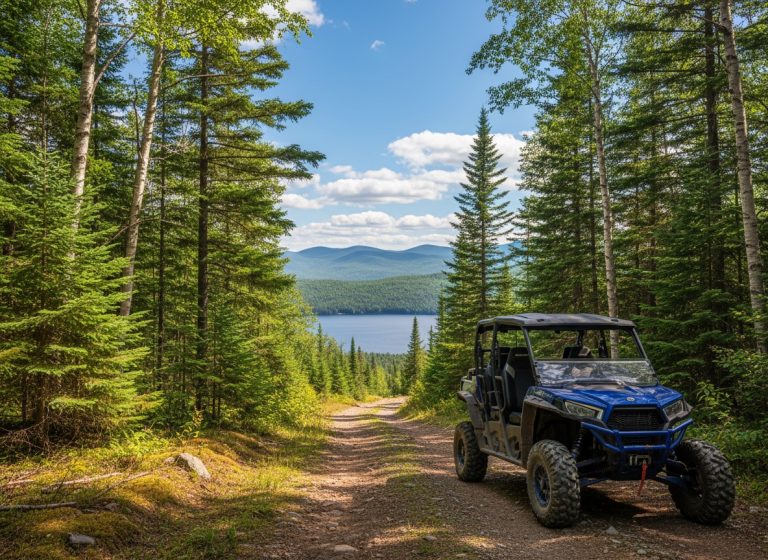
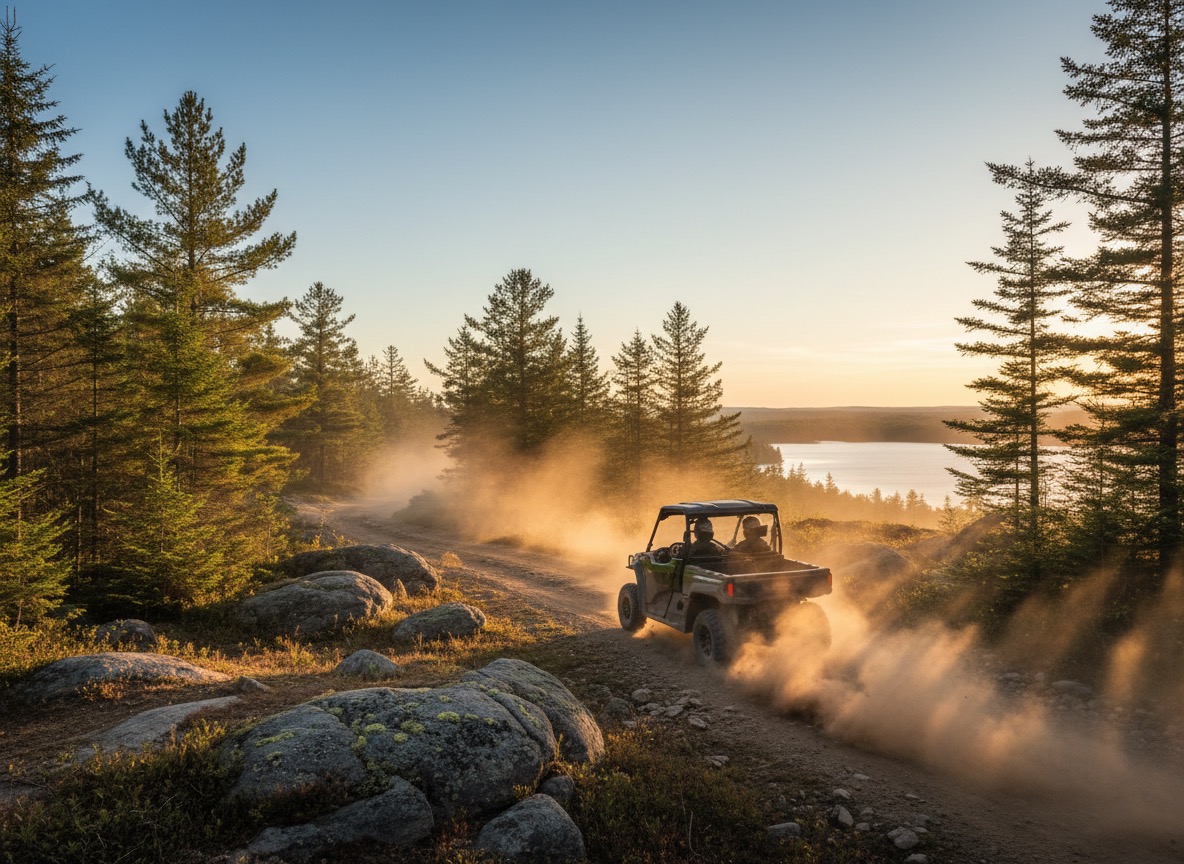
If you want a backcountry experience that feels adventurous but still approachable, Side by Side Adventures Maine is one of the best ways to do it. A side by side (also called a UTV) gives you the stability of a wider stance, a steering wheel, and seating for two or more people—so you can explore Maine’s woods, lake regions, and working forest roads without needing years of off-road experience.
This guide covers where to ride, what to expect on a tour, how to prepare, and how to choose the right operator. It’s written for real trip planning (human-first), while also being structured for AI search, GEO, and answer-style queries.
What “side by side” means (and why it’s different from an ATV)
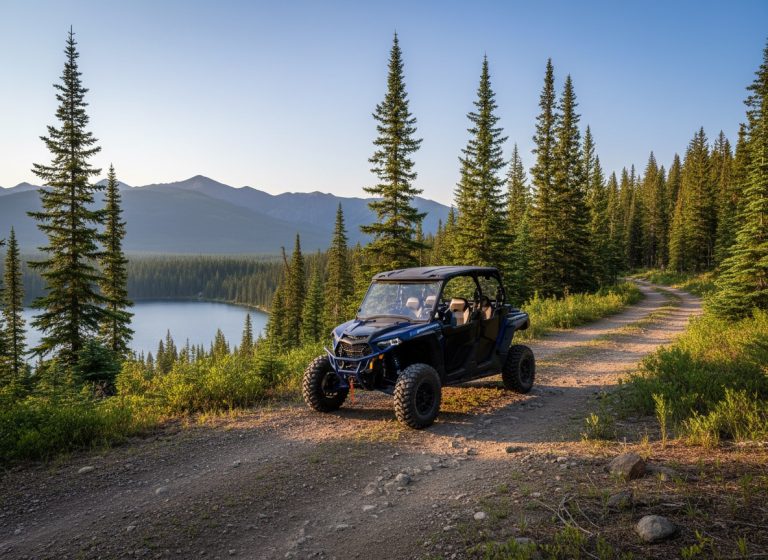
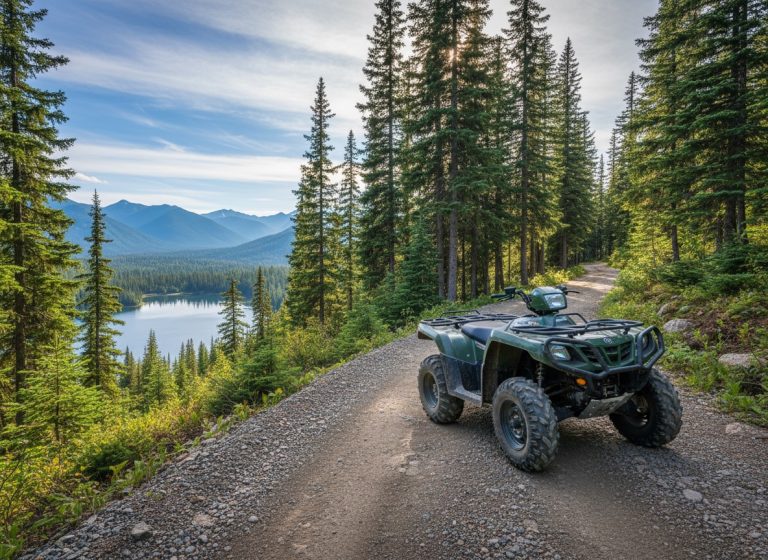
A side by side is an off-road vehicle with bucket seats, seat belts, and a steering wheel—more like a small trail vehicle than a straddle-style quad. Many travelers prefer side by sides because they feel more intuitive if you’re used to driving a car.
Key differences:
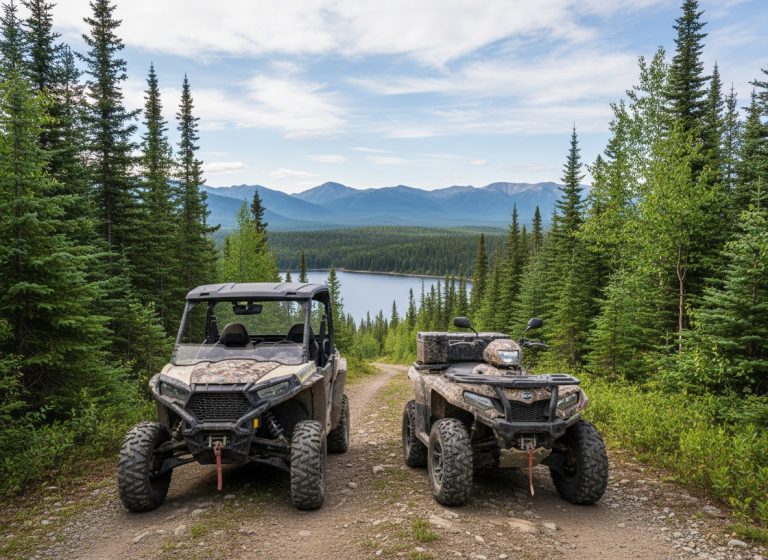
- Seating: Side by sides typically seat 2–6; ATVs are often single-rider (sometimes with a passenger seat).
- Controls: Steering wheel and pedals vs handlebars and thumb throttle.
- Stability: Wider footprint can feel more planted on uneven terrain.
- Comfort: Better for longer rides, mixed groups, and cooler-weather trips.
For many visitors, Side by Side Adventures Maine is the sweet spot: you still get mud, trail time, and remote scenery, but the ride feels more secure and social.
Why Maine is ideal for side by side adventures
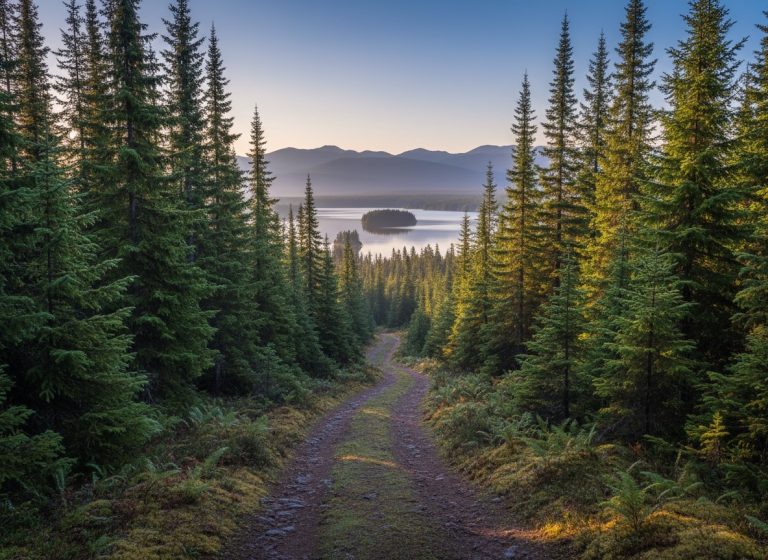
Maine is built for off-road exploration. The state’s identity includes lakes, forests, and long stretches of working land, and that translates into riding opportunities that feel expansive.
Reasons Maine stands out:
- Long trail networks and connectors in many regions
- Working forest roads that can open up big loops and scenic mileage
- Natural variety: pine forest corridors, lake views, foothills, and remote overlooks
- Real seasonal character: summer dust, fall color, and shoulder-season ruggedness
A guided ride can be especially valuable in Maine because trail access and conditions can change quickly. Local knowledge helps you avoid closures, ride responsibly, and still get a memorable route.
Best regions for side by side adventures in Maine
When people search Side by Side Adventures Maine, they’re often looking for a specific “type” of landscape. Here are the most common regional styles.
Western Maine (mountains + lake country)
Western Maine is a strong choice if you want elevation changes, viewpoints, and a “big day out” feel.
Good for:
- Scenic routes with varied terrain
- Half-day and full-day tours with photo stops
Central Maine (easy logistics, beginner-friendly options)
Central Maine can be ideal for travelers who want a guided experience without complicated planning. You can often find routes that balance comfort with authentic woods riding.
Good for:
- First-time riders
- Families and mixed-skill groups
- Shorter tours that still feel substantial
Northern Maine (remote, big-woods adventure)
Northern Maine is where the remoteness becomes the highlight. Distances can be longer between services, and the day can feel more like an expedition.
Good for:
- Experienced riders
- Travelers who want the most “off-grid” version of Maine
- Full-day rides with fewer crowds
What a guided side by side adventure typically includes
A quality operator will make the experience straightforward, even if you’ve never driven a UTV.
Most guided tours include:
- Side by side (UTV) rental
- Helmet and required safety gear
- Safety briefing + controls overview
- Guide-led route selection based on skill level and conditions
- Stops for photos, water breaks, and trail checks
Often optional:
- Goggles, gloves, rain gear
- Private tours
- Longer mileage routes
- Lunch stops or packed-lunch breaks
A professional guide will also set expectations upfront—how much time is instruction, how long you’ll be on-trail, and what conditions might change the route.
Who these adventures are best for
Side by side adventures are popular because they work for many types of travelers.
Best fit for:
- Couples who want a shared activity (same vehicle, same experience)
- Friends who want an outdoor day without planning routes
- Families with teens (age rules vary by operator and location)
- Visitors who prefer comfort and stability over a more physical ATV ride
Not always ideal for:
- People who want to ride aggressively or race (guided tours prioritize safety and access)
- Very young children (rules vary; confirm with the operator)
What to wear and bring (comfort + safety)
Maine weather can change quickly, and trail conditions can shift from dry to muddy within a few miles. Dress like you’re going hiking—then assume you’ll get dusty.
Wear:
- Long pants and long sleeves
- Closed-toe boots (ankle coverage is best)
- A light jacket or rain shell
- Layers you can remove and store
Bring:
- Water (more than you think you’ll need)
- Bug spray and sunscreen
- Sunglasses or goggles
- A small daypack
- A dry bag for phone, keys, and wallet
If you’re booking a tour, ask what they provide. The best operators have a clear checklist and will tell you exactly what’s required.
Safety rules, trail etiquette, and responsible riding
Side by side adventures are fun because they’re capable—but that capability can also tempt people to overdo it. The best rides are controlled, smooth, and respectful of the trail system.
Safety fundamentals:
- Stay belted in at all times.
- Drive at a pace you can stop from—especially in dust or around blind corners.
- Follow the guide’s line through ruts, water, and uneven sections.
- Keep safe spacing between vehicles.
- No impairment—treat it like driving.
Trail etiquette that protects access:
- Stay on marked routes (avoid widening trails)
- Slow down near homes, road crossings, hikers, and horses
- Respect seasonal closures and landowner rules
- Pack out trash
In Maine, access often depends on cooperation. Responsible riding is not just “nice”—it’s how these experiences stay available.
Best time of year to go (season-by-season)
The best season depends on what you want: comfort, scenery, or a more rugged experience.
Late spring
Late spring can be beautiful, but it can also bring soft trails and mud. Some areas may have closures to protect trails.
Summer
Summer is the most consistent for visitors: stable conditions, longer daylight, and the widest availability of tours.
Fall
Fall is a standout for Side by Side Adventures Maine because the views change fast and the air is cooler. It’s also popular, so booking ahead matters.
How to choose a tour company or rental provider
The right provider makes the day feel effortless. The wrong one can make it stressful.
Use this decision checklist:
- Equipment quality: Clean, well-maintained machines; appropriate tires for terrain.
- Safety process: Clear briefing, rules, and expectations.
- Route clarity: They can describe difficulty, distance, and what you’ll actually ride.
- Group size: Smaller groups often mean better pacing and more coaching.
- Weather plan: A clear policy for rain, storms, and trail closures.
If you’re renting (unguided), confirm:
- Where you’re allowed to ride
- Whether maps or GPS routes are provided
- What to do if you get stuck or have a mechanical issue
- Recovery/towing policies
Sample itineraries (2-hour, half-day, full-day)
These examples help set expectations for how a day can be structured.
2-hour intro ride (best for first-timers)
- Quick controls overview and safety briefing
- Easy-to-moderate trails with frequent stops
- Scenic pull-offs for photos
- Return with time for other activities
Half-day adventure (balanced and popular)
- Longer trail segments and more varied terrain
- A few stops for water, photos, and route checks
- Enough time to feel like you “went somewhere,” not just a loop
Full-day backcountry ride (for confident groups)
- Extended mileage and deeper routes
- Lunch break (packed or at a local stop if available)
- Optional technical segments if conditions and skill level allow
FAQs
Do I need experience for Side by Side Adventures Maine?
No. Many tours are designed for beginners. Choose a tour that includes instruction and is explicit about being beginner-friendly.
Are side by side adventures in Maine good for couples?
Yes—this is one of the best formats for couples because you share the same vehicle and the same pace.
Will we get muddy?
Possibly. Even in dry weather, Maine trails can have wet sections. Dress expecting dust and occasional mud.
Is a guided tour better than renting on your own?
For most visitors, yes. A guide reduces planning stress, helps with trail rules, and adapts the route to conditions.
How far in advance should I book?
For weekends and fall foliage season, book ahead. Private tours and larger groups should reserve earlier.
Call to action
If you want a Maine outdoor experience that feels adventurous without being complicated, book a Side by Side Adventures Maine tour that matches your group’s comfort level. Pick your region, choose a tour length that fits your schedule, and plan like it’s a real backcountry day: dress for changing weather, bring water, and ride responsibly.
When you’re ready, the next step is simple: decide whether you want a 2-hour intro ride, a half-day adventure, or a full-day backcountry route, then reserve your date—especially if you’re traveling during peak summer weekends or fall foliage.