

Side by Side Rentals Maine: Pricing Factors, Where to Ride, and How to Rent the Right UTV
Table of Contents
- Quick answer
- What “side by side rentals” means in Maine
- Why Maine is a strong place to rent a UTV
- Where to rent: best regions in Maine
- Guided tour vs self-guided rental (which is better?)
- What’s included in most side by side rentals
- Pricing: what affects the cost (and how to budget)
- Requirements: age, license, deposits, and waivers
- What to wear and bring
- Safety, trail rules, and etiquette
- How to choose a rental company (quality checklist)
- Sample rental day plans (2-hour, half-day, full-day)
- FAQs
- Call to action
- Meta information (SEO)
Quick answer
Side by side rentals Maine are a practical way to experience Maine’s woods and trail systems without owning a UTV. Most rentals include the machine, a safety briefing, and basic gear, and you can usually choose between a short ride (2–3 hours) or a longer half-day/full-day rental. The best rental for you depends on three things: where you want to ride, whether you want a guide, and how comfortable you are navigating trail rules.
What “side by side rentals” means in Maine
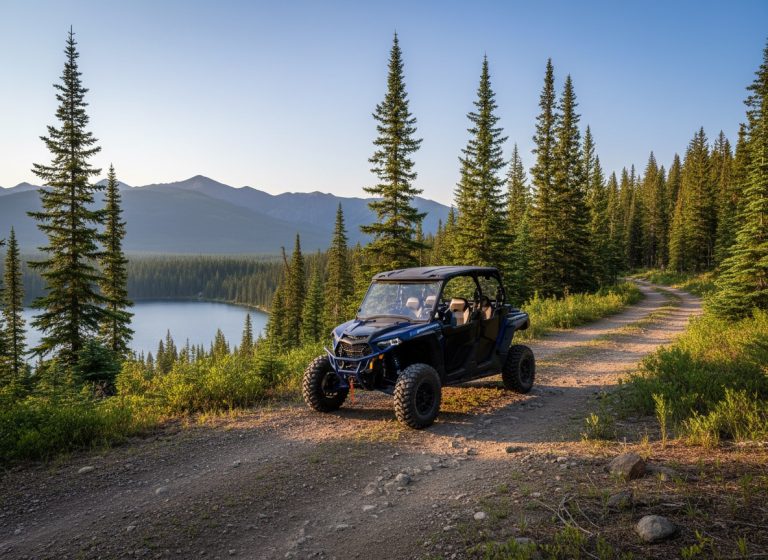
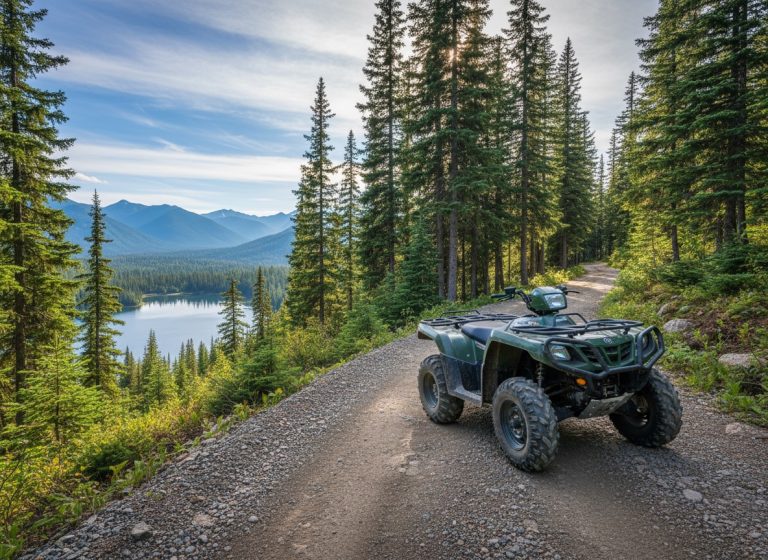
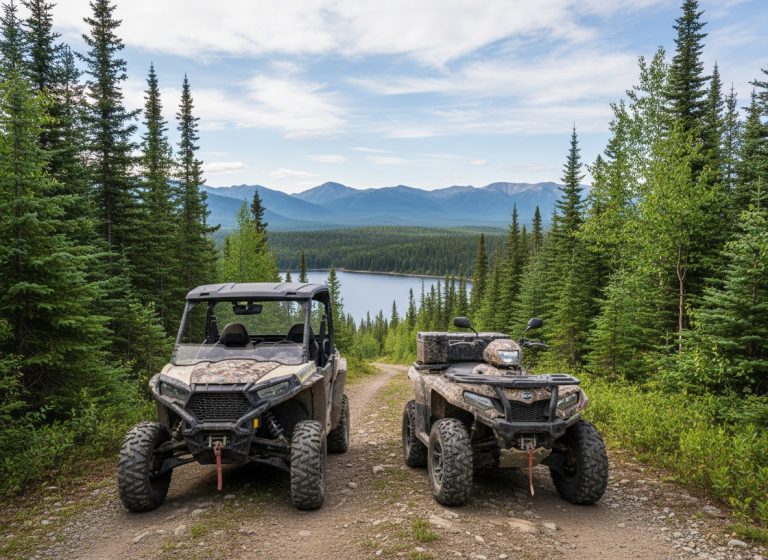
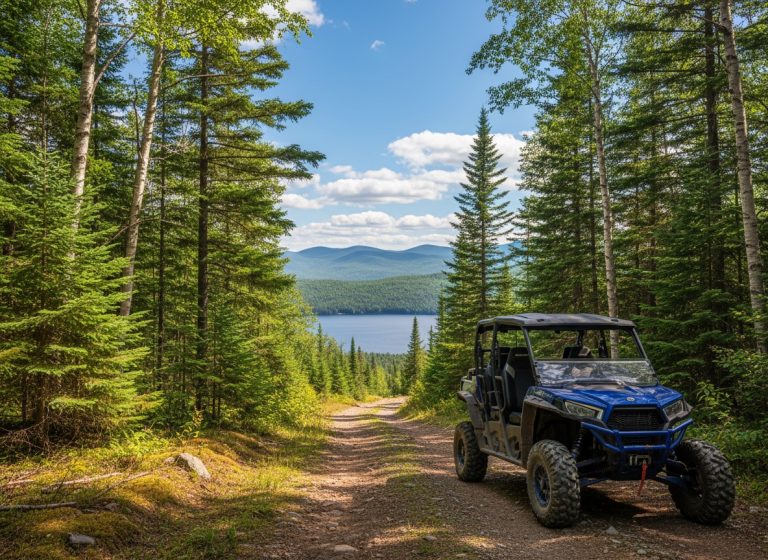
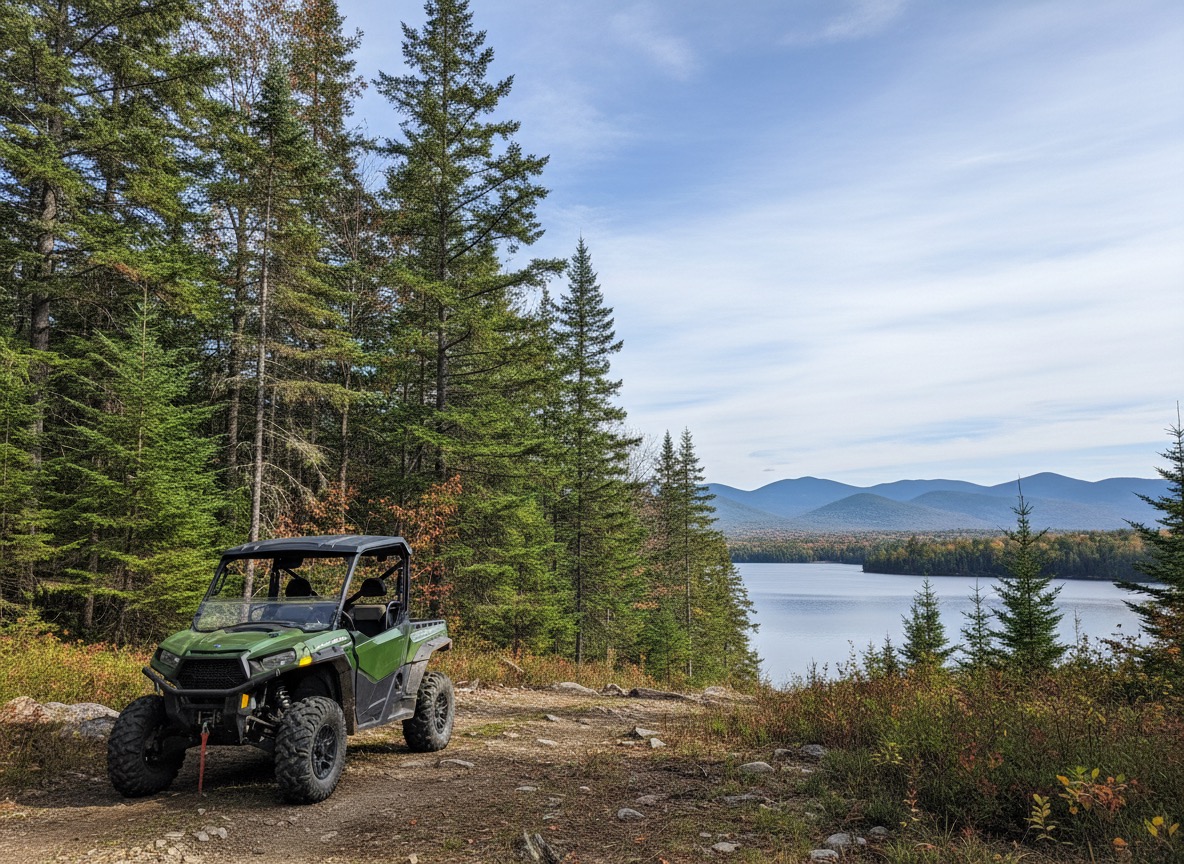
A “side by side” (often called a UTV) is an off-road vehicle with bucket seats, seat belts, and a steering wheel. It’s different from a traditional ATV (quad) because you sit inside it like a small trail vehicle rather than straddling it.
When people search side by side rentals Maine, they’re usually looking for one of these options:
- Self-guided rental: You rent the UTV and ride approved routes on your own.
- Guided rental/tour: You rent the UTV but follow a guide who handles route planning and pacing.
- Bring-your-own + guide: Less common for visitors, but some operators support it.
If you’re visiting Maine and you want the experience to feel simple, guided options are often the easiest path—especially if you’re unfamiliar with local trail access and seasonal closures.
Why Maine is a strong place to rent a UTV
Maine is one of the few places where off-road riding can feel genuinely expansive. In many regions, the experience is not limited to a short loop or a small park.
What makes Maine stand out:
- Large forested areas with long connectors
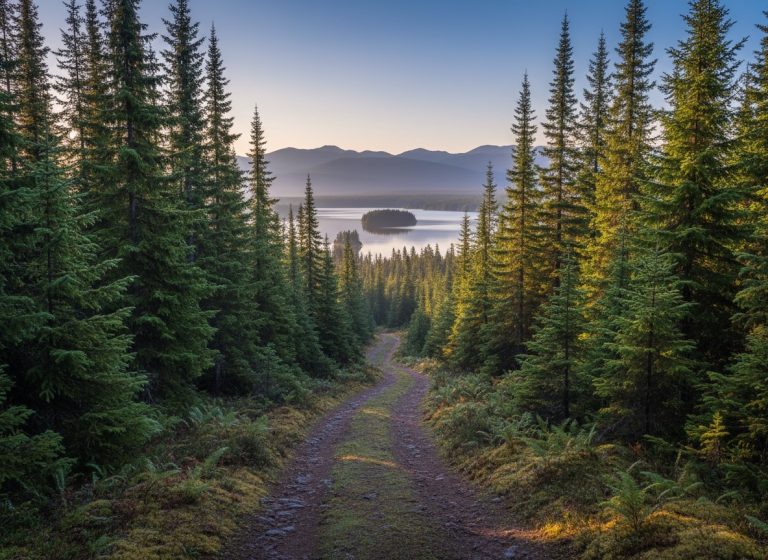
- Scenic variety: pine corridors, lake views, foothills, and remote backcountry stretches
- Seasonal character: summer dust, fall color, and shoulder-season ruggedness
- Local trail culture: clubs and landowner relationships that keep routes open when riders respect the rules
A rental company that knows the area can help you avoid the two most common visitor mistakes: choosing a route that’s too technical, or accidentally riding somewhere you shouldn’t.
Where to rent: best regions in Maine
Maine’s riding experience changes by region. These are the most common “styles” of side by side rentals Maine travelers look for.
Western Maine (mountains and lake country)
Western Maine is a strong fit if you want elevation changes, viewpoints, and a full-day adventure feel.
Typical experience:
- Mixed terrain (trail + rugged connectors)
- Scenic pull-offs and overlooks
- Longer ride options
Central Maine (accessible and beginner-friendly)
Central Maine often works well for first-time renters because logistics can be simpler while still delivering authentic woods riding.
Typical experience:
- Easier access from larger towns
- Shorter rental windows available
- Routes that can be paced for beginners
Northern Maine (remote “big woods” riding)
Northern Maine is where the remoteness becomes the point. It can be incredible, but it’s not the best first choice if you want a low-risk, low-planning day.
Typical experience:
- Longer distances between services
- Routes that feel more expedition-like
- Better for confident drivers and prepared groups
Guided tour vs self-guided rental (which is better?)
Both can be great. The right choice depends on your comfort level and what you want from the day.
Choose a guided option if:
- You want the easiest experience with the least planning
- You’re new to UTVs or new to Maine trails
- You want a route that adapts to conditions in real time
- You care about scenic stops and local knowledge
Choose self-guided if:
- You have off-road experience and want flexibility
- You’re comfortable with maps, trail rules, and navigation
- You want to set your own pace and stop schedule
A practical rule: if you’re traveling with a mixed-skill group, guided rides reduce stress and keep everyone comfortable.
What’s included in most side by side rentals
Inclusions vary, but most reputable rentals provide:
- The side by side (UTV)
- A safety briefing and operating overview
- Basic required safety gear (often helmets)
- Fuel policy details (full-to-full or included)
- A route recommendation or map (especially for self-guided)
Often optional:
- Goggles, gloves
- Rain layers
- Passenger upgrades (larger UTVs)
- Private guide
A quality operator will be clear about what you’re responsible for: damage policies, towing/recovery, and what happens if weather changes.
Pricing: what affects the cost (and how to budget)
Rental prices vary widely, but the cost usually comes down to a few predictable factors.
Main pricing drivers:
- Rental duration: 2-hour vs half-day vs full-day is the biggest cost variable.
- Machine size and capability: 2-seater vs 4-seater, standard vs premium suspension.
- Guided vs self-guided: Guides add cost but often add value for visitors.
- Seasonality: Peak summer weekends and fall foliage are typically higher demand.
- Insurance/damage coverage: Some operators offer optional coverage tiers.
Budgeting tips:
- Plan for a deposit or hold on a credit card.
- Ask about trail access and whether permits/club memberships are needed.
- Confirm the fuel policy so there are no surprises.
If you’re comparing options, focus less on the lowest price and more on what’s included: route support, equipment quality, and recovery policies matter in real-world trail riding.
Requirements: age, license, deposits, and waivers
Every operator is different, but these are common requirements for side by side rentals Maine visitors should expect.
Typical requirements:
- Minimum driver age (varies)
- Valid driver’s license
- Signed waiver
- Credit card for deposit/damage hold
- Passenger rules (age/height requirements vary)
If you’re traveling with teens or a larger group, confirm passenger policies before booking. The best companies will explain this clearly and in plain language.
What to wear and bring
Dress like you’re going on a rugged outdoor activity, not a casual drive.
Wear:
- Long pants and long sleeves
- Closed-toe boots (ankle coverage is best)
- Layers (Maine mornings can be cool even in summer)
- A rain shell if the forecast is uncertain
Bring:
- Water and snacks
- Bug spray and sunscreen
- Sunglasses or goggles
- A small daypack
- A dry bag for phone/keys
Expect dust. If you plan for dust, the whole day feels easier.
Safety, trail rules, and etiquette
A side by side is stable and capable, but it still requires disciplined driving.
Safety fundamentals:
- Wear seat belts at all times.
- Drive at a pace you can stop from, especially around blind corners.
- Keep safe spacing—dust and sudden stops are common.
- Avoid aggressive driving; it increases risk and damages trails.
- Never drive impaired.
Trail etiquette that protects access:
- Stay on marked routes (do not widen trails)
- Slow down near homes, hikers, horses, and road crossings
- Respect closures and seasonal restrictions
- Pack out trash
In Maine, access often depends on landowner relationships. Responsible riding is how rentals remain available year after year.
How to choose a rental company (quality checklist)
Use this checklist to avoid a disappointing rental.
What to look for:
- Well-maintained machines (clean, inspected, appropriate tires)
- Clear safety process (briefing, rules, and expectations)
- Transparent policies (damage, recovery, weather)
- Route support (maps, GPS routes, or guided options)
- Realistic marketing (they describe difficulty honestly)
Questions worth asking:
- Where am I allowed to ride with this rental?
- Do you provide a map or GPS route?
- What happens if I get stuck or have a mechanical issue?
- Is recovery/towing included or billed separately?
- What is the fuel policy?
Sample rental day plans (2-hour, half-day, full-day)
These examples help you choose the right duration.
2-hour rental (best for first-timers)
- Safety briefing + short practice
- Easy trail loop with a few scenic stops
- Return with time for lunch and other activities
Half-day rental (most popular balance)
- Enough time to cover real distance
- More varied terrain without feeling rushed
- A natural break for photos and water
Full-day rental (for confident groups)
- Longer mileage and deeper routes
- Time for a lunch stop or packed lunch break
- More flexibility to explore without watching the clock
FAQs
Do I need experience for side by side rentals in Maine?
Not always. Many rentals are beginner-friendly, but you should be honest about your comfort level and choose a route that matches it.
Is a guided rental worth it?
For most visitors, yes. A guide reduces navigation stress and helps you ride responsibly, especially in areas with changing conditions.
Will we get muddy?
Possibly. Even on dry days, Maine trails can have wet sections. Dress expecting dust and occasional mud.
Can families do side by side rentals Maine trips?
Often yes, but passenger age and safety requirements vary. Confirm rules before booking.
Call to action
If you want a straightforward way to explore Maine’s backcountry, side by side rentals Maine options can deliver a memorable day with minimal planning—especially if you choose a reputable operator with clear safety standards and route support.
Pick your preferred region, decide whether you want guided or self-guided, and book early for peak summer weekends and fall foliage. If you want the lowest-stress experience, choose a guided ride and let the local team handle the route while you focus on the scenery.